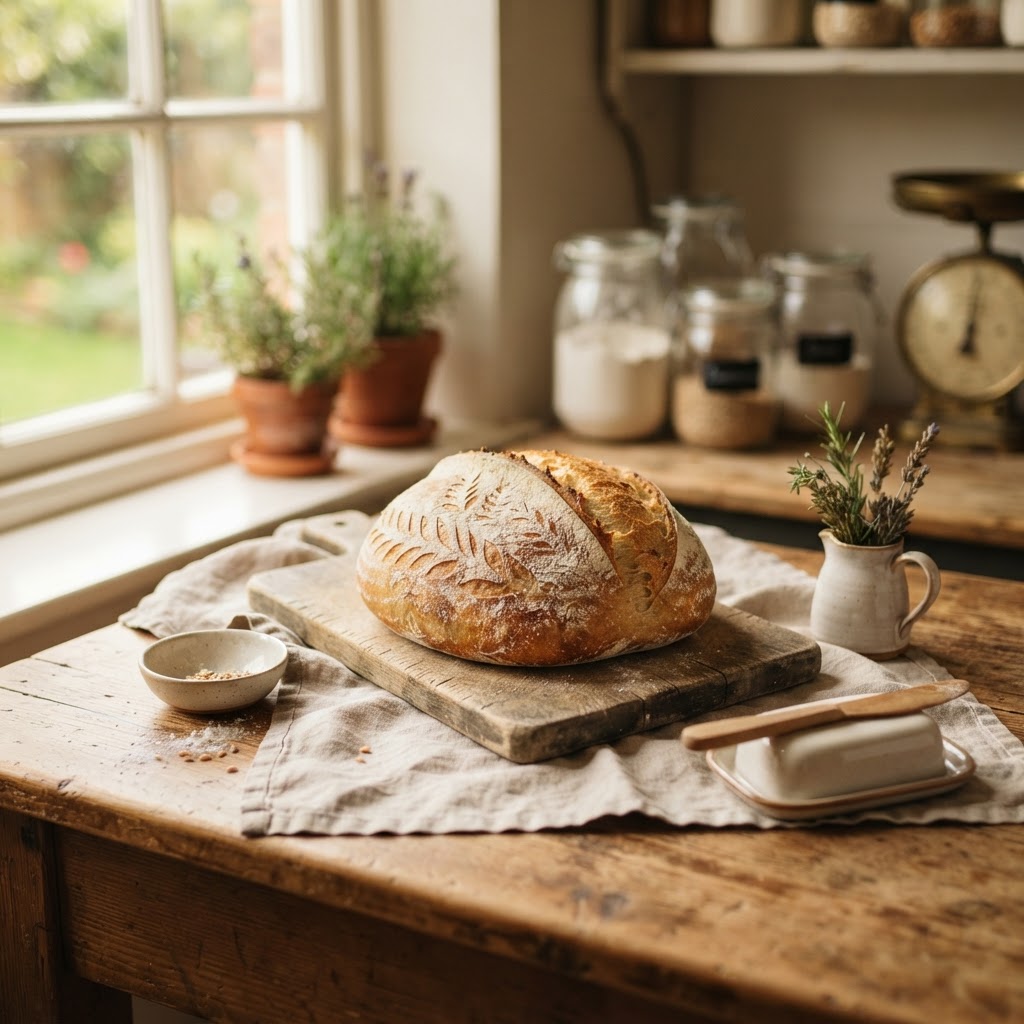
Virginia’s Cottage Food Law Changed on July 1, 2026
Virginia’s cottage food law allows residents to make and sell certain low-risk foods from their home kitchens without first obtaining a food-processing permit or passing a routine state inspection.
On July 1, 2026, House Bill 402 expanded how qualifying home food producers may sell and deliver their products. Virginia cottage food bakers may now make sales online or by telephone and may deliver qualifying products in person, by mail, or through a delivery service within Virginia.
The new law did not make every homemade food legal to sell. The exemption still applies only to specific foods that do not require time or temperature control for safety, and sales must be made to an individual in Virginia for that person’s own consumption—not for resale.
Virginia Has Two Different Home-Food Paths
Virginia’s rules are easier to understand when you separate them into two paths:
- The permit-free home-kitchen exemption — This is commonly called Virginia’s “cottage food law.” If your product and sales practices meet the exemption in Virginia Code § 3.2-5130, you do not need a VDACS food-processing permit, routine inspection, or inspection fee.
- A permitted Home Food Processing Operation — This is a separate option for home food businesses that do not fit within the cottage food exemption or want privileges beyond it. These businesses must apply to the Virginia Department of Agriculture and Consumer Services, or VDACS, and their home processing areas are subject to inspection and other requirements.
This distinction is important: most qualifying cottage food bakers do not need to apply for an HFPO permit. A permit becomes relevant when the baker’s products or business model fall outside the permit-free exemption.
What Foods Can a Virginia Cottage Food Baker Sell?
The exemption covers baked goods and several other foods specifically listed in Virginia law, provided they do not require time or temperature control after preparation to remain safe.
For home bakers, qualifying products may include:
- Breads and shelf-stable sourdough loaves
- Cookies, brownies, and dessert bars
- Cakes and cupcakes that do not require refrigeration for safety
- Muffins, scones, biscuits, and quick breads
- Dry baking mixes
- Granola, cereals, and trail mixes
- Candies and certain confections
- Certain shelf-stable jams and jellies
The law also lists products such as dried pasta, dried fruits, dry herbs, seasonings, coated and uncoated nuts, popcorn, roasted coffee, dried tea, and flavored vinegars.
Whether a particular cake, frosting, filling, or pastry qualifies depends on the finished recipe—not simply what the baker calls it. Products containing custard, cheesecake, cream fillings, or other ingredients that require refrigeration for safety generally do not qualify for the permit-free exemption. Some frostings may be shelf-stable while others are not.
If you are unsure whether a recipe requires refrigeration for safety, contact VDACS before selling it. A recipe may need professional product testing rather than a guess based on its ingredients or appearance.
What Did the New 2026 Law Change?
Before July 1, 2026, Virginia’s cottage food exemption generally limited sales to in-person transactions at the producer’s home, farmers markets, and qualifying temporary events. The new law significantly expands those rights.
A qualifying Virginia cottage food producer may now:
- Sell through the internet — A baker may offer and sell qualifying products through a website, social media page, online directory, or other internet-based ordering system.
- Sell by telephone — Customers may place orders without completing the transaction face-to-face.
- Sell at any location — The state exemption is no longer limited to the baker’s home, farmers markets, and short-term events.
- Deliver directly — A baker may personally deliver an order to a Virginia customer.
- Use mail or a delivery service — Qualifying products may be mailed or delivered by a third-party service to an individual within Virginia.
- Use a post office box on the required cottage-food label — The new law allows the producer to list either a physical address or a post office box number.
These changes apply only when the food, buyer, delivery, and labeling requirements of the exemption are satisfied.
What Is Still Not Allowed Under the Exemption?
The new law expands sales and delivery options, but it does not remove the exemption’s basic limits. A cottage food baker operating without a VDACS permit may not:
- Sell or deliver the product to a customer outside Virginia
- Sell to someone who intends to resell or consign the product
- Sell qualifying cottage food wholesale to a grocery store, restaurant, coffee shop, or other retailer
- Offer the product for use or consumption in a retail food establishment
- Sell a product that requires refrigeration or other temperature control for food safety under the exemption
- Assume every homemade food qualifies simply because it was made in a home kitchen
- The name of the person who prepared the food
- The preparer’s physical address or post office box number
- The preparer’s telephone number
- The date the food was processed
- The statement: “NOT FOR RESALE PROCESSED AND PREPARED WITHOUT STATE INSPECTION.”
- The product’s common or descriptive name
- The net quantity of the product
- An ingredient list, including sub-ingredients, in descending order by weight
- Clear identification of major food allergens
- Local zoning or home-occupation rules
- A local business license
- Virginia tax registration and recordkeeping
- Farmers market or event-vendor requirements
- Property lease, condominium, or homeowners association restrictions
- Confirm that your product qualifies — Make sure the finished food is listed or covered by the exemption and does not require time or temperature control for safety.
- Choose the correct legal path — Use the permit-free exemption only if your food and sales model meet all its conditions. Otherwise, ask VDACS about a Home Food Processing Operation permit.
- Create a complete label — Include the cottage-food information, exact required statement, ingredients, allergens, net quantity, and other applicable labeling information.
- Keep sales inside Virginia — Sell and deliver only to individuals in Virginia who are buying for their own consumption.
- Avoid wholesale or resale — Do not supply stores, restaurants, or other businesses for resale while relying on the permit-free exemption.
- Check local business requirements — Contact your locality about zoning, licensing, and home- business rules.
- Keep good records — Maintain recipes, ingredient labels, production dates, customer and delivery information, and sales records.
- List your bakery on CrumbNearby — Qualifying Hampton Roads bakers can use CrumbNearby to help local Virginia customers discover and order their products.
- Virginia Code § 3.2-5130 — Home-Kitchen Exemptions
- Virginia Division of Legislative Services — 2026 Laws Summary
- VDACS — Home and Commercial Kitchen-Based Businesses
- Virginia Department of Agriculture and Consumer Services
- CrumbNearby — Discover Hampton Roads Home Bakers
For example, the new law may allow a baker to receive an online cookie order and ship it to a customer in Richmond. It does not allow that baker to ship the cookies to North Carolina or supply them to a Virginia coffee shop for resale under the cottage food exemption.
Do Virginia Cottage Food Bakers Need a Permit?
No state food-processing permit is required when a resident fully qualifies for the home-kitchen exemption in Virginia Code § 3.2-5130. Qualifying producers are exempt from the ordinary VDACS permit, routine inspection, and inspection-fee requirements.
However, “permit-free” does not mean “rule-free.” Bakers must still sell an eligible food, follow the direct-to-consumer and in-state requirements, use proper labels, avoid adulterated or misbranded food, and comply with other applicable business rules.
VDACS may also inspect a home operating under the exemption if the agency receives a consumer complaint.
A baker whose products or sales model do not qualify for the exemption should speak with VDACS about becoming a permitted Home Food Processing Operation. A permitted home operation is inspected and subject to additional food-safety, facility, application, and labeling requirements.
Are There Sales Limits?
Virginia law does not place an annual gross-sales cap on the ordinary low-risk foods listed in § 3.2-5130(C)(3), including qualifying baked goods.
There are separate limits for certain other exemptions. Pickles and other qualifying acidified vegetables are limited to $9,000 in gross sales per calendar year and must have an equilibrium pH of 4.6 or lower. The separate honey exemption applies when the resident sells less than 250 gallons of honey annually and meets its other requirements.
The $9,000 limit for acidified vegetables should not be incorrectly applied to ordinary qualifying breads, cookies, cakes, or other baked goods.
What Must Be on a Cottage Food Label?
Virginia’s exemption requires the product label—or a sign when the package is too small for the required label—to display:
Packaged foods must also comply with applicable standard labeling rules. A practical product label should include:
Major allergens can include milk, eggs, wheat, soy, peanuts, sesame, tree nuts, fish, and crustacean shellfish. Bakers should not assume that a general statement such as “made in a kitchen that uses nuts” replaces an accurate ingredient and allergen declaration.
Nutrition-labeling requirements vary, and some small businesses may qualify for a federal exemption. Bakers should ask VDACS if they are uncertain about the complete label required for a particular product.
Can Virginia Cottage Food Bakers Sell Through CrumbNearby?
Yes. Beginning July 1, 2026, qualifying cottage food products may be sold through the internet to individuals in Virginia. This allows a baker to advertise products, receive orders, and arrange permitted pickup, in-person delivery, mail delivery, or third-party delivery through an online platform such as CrumbNearby.
The underlying transaction must still comply with Virginia law. The buyer must be an individual in Virginia purchasing the food for personal consumption, the product must qualify for the exemption, and the baker remains responsible for food safety and labeling compliance.
A listing on CrumbNearby does not by itself establish that a baker or product is legally compliant. Each baker should evaluate their own recipes, labels, sales practices, and local requirements.
Do Local Rules Still Apply?
The cottage food exemption addresses state food-processing permits and inspections. It does not automatically replace every other rule that may apply to a home business.
Depending on the baker’s location and sales venue, additional requirements may include:
A market, event organizer, delivery platform, or property owner may also impose reasonable participation requirements beyond the minimum state cottage food exemption.
How to Get Started as a Virginia Cottage Food Baker
Official Resources for Virginia Cottage Food Bakers
Important: This article provides general educational information and is not legal advice or an official determination that a particular product qualifies. Laws, regulations, and agency guidance can change. Some guidance documents published before July 1, 2026 may still describe Virginia’s former in-person sales restrictions. For questions about a recipe, label, or business model, contact the VDACS Food Safety Program before selling.